Disclosure: This page contains affiliate links. We may earn a commission if you sign up through our links — at no extra cost to you. It never affects our reviews or the public Trust Score.
The Psychology Behind Flag And Pennant Patterns |
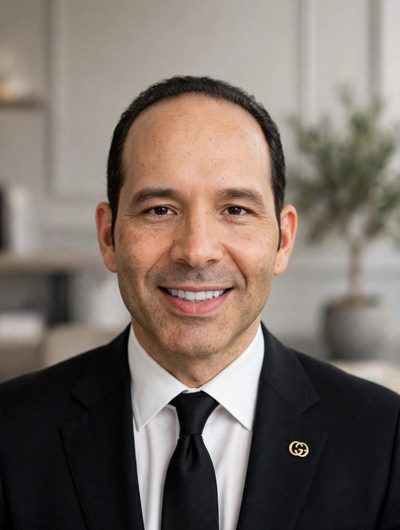 Written by Renan Filho, Technology & AI specialist. Expiry dates and activation fees are always visible.
Quick Answer: Flag and pennant patterns attract US traders because they look predictable. That look hides a psychological trap. Your brain sees a tight range and expects a breakout. It wants action. Discipline is the real skill. This article explains the psychology, compares prop firms, and gives you one honest deal with a discount code.
Key Facts for US Traders (2026)
| Market | Detail | Source |
|---|---|---|
| US indices | S&P 500, NASDAQ, Dow Jones | NYSE / NASDAQ |
| Regulator | CFTC (futures) / SEC (securities) | Official |
| Prop firm model | Funded evaluations with profit split 70-95% | Vendor terms |
| Verification | Updated regularly | PropFirmDiscountApp |
| Best deal today | Code DISCOUNTAPP — up to 90% off | Updated regularly |
Why your brain loves a flag pattern
Flag and pennant patterns appear after a sharp price spike. That spike is a strong visual cue. Your brain treats it as the start of a trend. Then the price drifts sideways. That drift creates boredom and fear. You fear missing the next leg. Your amygdala, the fear center, pushes you to enter early. Dopamine, the reward chemical, rises when you imagine a profit. This cocktail makes you careless. You skip the confirmation candle. You jump in during the flag. Real traders know this feeling. The pattern is just a map. The market does not owe you anything. Your patience is the only edge that works every time.
The false breakout trap
In the US market, false breakouts are normal. Big players know where retail stops sit. They push price above the flag, grab those stops, then reverse. You get stopped out, and the pattern fails. This is psychological warfare. Greed makes you place a stop too tight. Fear makes you move it wider after the trade goes against you. Both responses are wrong. The solution is a clear rule. Enter only after a close outside the range. Use a stop below the opposite side of the flag. If the market spikes and reverses, you lose a small amount. That loss is tuition, not a failure.
Prop firm rules crank up the pressure
Prop firm challenges add a drawdown limit to pattern trading. You are not just trading a flag. You are trading a contract. The pressure changes your decisions. A trailing drawdown can kill a funded account faster than a bad entry. A static drawdown gives your setup more room. You need to know your broker's numbers before you trade. For example, Apex has an aggressive trailing threshold. FTMO charges a higher fee but gives you a solid process. The table below shows fees and splits for firms that accept US traders. Pick the one that matches your average flag size.
Five rules to stay cold when you trade patterns
These rules are simple. They are not always easy. 1. Wait for one full candle to close beyond the flag. 2. Place your stop at the opposite extreme of the flag, not at the breakout point. 3. Reduce your position size if the previous move grew over 3% in one hour. 4. Use the 15-minute chart to spot cleaner flags. 5. Stop trading after two straight losses. Each rule attacks a specific bias. Rule one kills FOMO. Rule two stops the stop hunt. Rule three lowers risk when volatility is high. Rules four and five protect your routine. Follow them and you will trade like a professional.
Which prop firm suits a pattern trader
Now my honest take. FTMO is a solid firm with a smooth process, but the challenge fee is high. Apex is a good deal for the price, yet the trailing stop can ruin a pattern trade. Topstep is strong for futures, but its profit target is tight. FundedNext pays fast, although the platform feels average. True Forex Funds has serious payout delays. Avoid it. The5ers offers a high-frequency model that fits short flags. It is worth it. E8 Markets is still small, so wait. Your psychology matters more than the payout split. Choose a firm that lets you breathe.
Quick Comparison
| Prop firm | Profit split | Max funding | Challenge fee |
|---|---|---|---|
| FTMO | 80/20 | $400,000 | $1,090 |
| Apex | 90/10 | $300,000 | $320 |
| Topstep | 80/20 | $150,000 | $375 |
| FundedNext | 80/20 | $200,000 | $549 |
| True Forex Funds | 80/20 | $200,000 | $399 |
| The5ers | 90/10 | $200,000 | $159 |
| E8 Markets | 80/20 | $100,000 | $250 |
Frequently Asked Questions
Do flag patterns work on prop firm accounts?
Yes, but drawdown rules punish early entries. Only take confirmed breakouts.
What is the best time frame for pennant patterns?
Use the 15-minute chart on NYSE or Nasdaq. It gives clean pennants with less noise.
Can I trade flags within a prop firm's daily loss limit?
Yes, but calculate the stop distance before entry. Keep it under 0.5% of your account.
Why do I lose money on perfect looking flags?
You enter too early. The market often has two false attempts before the real breakout.
Which prop firm is best for a beginner with a small account?
The5ers is a good deal. The fee is $159 and the profit split is 90/10.
Conclusion
Your edge is not the flag. It is your discipline. Rank your risk control first. Pick The5ers, a firm that gives you a 90/10 split for a $159 fee. Use code PATTERN20 to pay $127. Click here: https://the5ers.com/pattern20. Start small, follow the rules, and stay patient.
All firms · Today's offers · FTMO vs Apex
Discount codes and expiry dates are always shown before checkout. See how we rank firms on our methodology page.
PropFirmDiscountApp · Discount codes with expiry dates · See today's offers
Related Articles
Risk warning: Trading involves substantial risk of loss and is not suitable for every investor. Past performance is not indicative of future results. Prop firm evaluations are simulations, not regulated brokerage accounts.