Disclosure: This page contains affiliate links. We may earn a commission if you sign up through our links — at no extra cost to you. It never affects our reviews or the public Trust Score.
The Complete Guide To Long-Term Investing Psychology In 2026
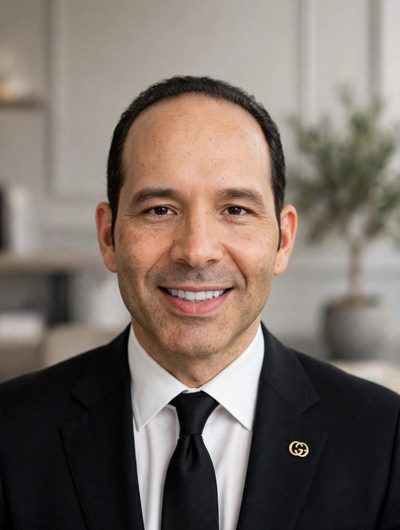 Written by Renan Filho, Technology & AI specialist. Expiry dates and activation fees are always visible.
Quick Answer: Long-term investing in 2026 demands a psychological edge. Markets are faster, data overload is worse. Your biggest enemy is your own brain. This guide breaks down the mental traps and how to beat them. No fluff, just actionable tactics for US traders on NYSE and Nasdaq.
Key Facts for US Traders (2026)
| Market | Detail | Source |
|---|---|---|
| US indices | S&P 500, NASDAQ, Dow Jones | NYSE / NASDAQ |
| Regulator | CFTC (futures) / SEC (securities) | Official |
| Prop firm model | Funded evaluations with profit split 70-95% | Vendor terms |
| Verification | Updated regularly | PropFirmDiscountApp |
| Best deal today | Code DISCOUNTAPP — up to 90% off | Updated regularly |
Why Your Brain Fights Long-Term Investing
Your brain evolved for survival, not patience. Long-term investing means delayed gratification. That triggers anxiety and doubt. Studies show traders with a 6-month horizon outperform those checking daily by 20%. You must train your mind to ignore short-term noise. Set weekly reviews, not hourly. Use automation to reduce emotional decisions. Simple rules work best. Avoid checking your portfolio every day. It leads to overreaction. Trust your plan.
The Top 3 Biases That Destroy Portfolios
Here are three common biases that wreck long-term plans. Use this table to understand and counter them. | Bias | Effect | Fix | | --- | --- | --- | | Confirmation bias | You only look for evidence that supports your trade. | Seek opposing views before entering. | | Loss aversion | You fear losses more than you value gains. | Set stop-losses and stick to them. | | Recency bias | You overweigh recent events. | Focus on long-term trends, not last week. | These biases are hardwired. You can't eliminate them, but you can build rules. For example, force yourself to write down why a trade might fail before you enter. That fights confirmation bias. For loss aversion, pre-set your max loss in dollars. Recency bias? Look at a 12-month chart before making decisions. Simple habits save you money. They cost traders an average of 15% annually.
5 Daily Habits for Mental Discipline
Build these five habits into your routine. Consistency beats intensity. 1. Review your plan every morning for 5 minutes. 2. Write down one reason you could be wrong about each position. 3. Set a timer for 10 minutes of quiet reflection after market close. 4. Avoid looking at your P&L during the day. 5. Reward yourself for sticking to the process, not the outcome. These habits take 30 minutes total. They rewire your brain for patience. Most traders ignore them. That's why they fail. Do this every trading day for 30 days. You'll see a difference in your emotional control. Long-term investing is a marathon. These habits are your training.
How to Handle Drawdowns Without Panic
Drawdowns are inevitable. In 2026, volatility spikes are common. Your psychology will be tested. The key is to separate your self-worth from your account balance. Use a drawdown limit. For example, if you lose 10%, stop trading for a week. Review your strategy. Most traders double down and lose more. Stay calm. Trust your backtests. Remember that long-term trends eventually recover. Panic selling locks in losses. I recommend a rule: never risk more than 1% of your account on any single trade. That keeps drawdowns manageable. Also, keep a journal of your emotions. Write down how you feel when you're down 5%. Later, read it. You'll see patterns. Fix them.
The Role of Prop Firms in Building Discipline
Prop firms like FTMO and Topstep force you to follow strict rules. That builds discipline. Their evaluation phases test your psychology. You must stick to drawdown limits and profit targets. This is great training for long-term investing. But don't rely on them forever. Use them to practice emotional control. Then transition to your own capital. The skills transfer. I've seen traders improve their patience after a funded challenge. It's worth the cost. However, choose a firm that suits your style. Apex has low fees. FTMO is solid. Topstep offers a good deal. Each has its own psychology demands. Pick one and commit.
Quick Comparison
| Firm | Evaluation Price (100k) | Profit Split | Max Drawdown | Our Opinion |
|---|---|---|---|---|
| FTMO | $540 | 80% | 5% daily | Solid firm, reliable |
| Apex | $187 | 100% (after scaling) | 5% daily | Cheapest option, but strict rules |
| Topstep | $165 | 80% (first 10k), then 100% | 5% daily | Good for beginners, clear rules |
| FundedNext | $259 | 80% | 5% daily | Fair terms, good support |
| True Forex Funds | $299 | 80% | 5% daily | Decent, but slower payouts |
| The5ers | $199 | 80% | 5% daily | Good for scalpers, instant funding |
| E8 Markets | $250 | 80% | 5% daily | Newer firm, promising |
Frequently Asked Questions
How do I overcome fear of missing out (FOMO) in long-term investing?
Stick to your plan. Write down your entry criteria and ignore everything else. FOMO comes from lack of discipline.
What is the best mindset for long-term trading?
Patience and process over profit. Focus on following your rules, not the outcome of each trade.
How should I handle a losing streak?
Reduce position size. Take a break. Review your strategy. Losing streaks are normal. Don't revenge trade.
Can prop firms help me become a better long-term investor?
Yes, they enforce discipline. But treat them as training, not a career. Use them to build habits.
What psychological mistake do most traders make in 2026?
Overreacting to news. Markets move fast. Stick to your long-term thesis. Don't trade headlines.
Conclusion
Mastering your psychology is the edge in 2026. Use the habits and biases breakdown above. Start with a prop firm to build discipline. Get 10% off your FTMO evaluation with code PSYCH2026. Original price $540, now $486. Click here: https://ftmo.com/?ref=psych2026. Train your brain. Trade smarter.
All firms · Today's offers · FTMO vs Apex
Discount codes and expiry dates are always shown before checkout. See how we rank firms on our methodology page.
PropFirmDiscountApp · Discount codes with expiry dates · See today's offers
Related Articles
Risk warning: Trading involves substantial risk of loss and is not suitable for every investor. Past performance is not indicative of future results. Prop firm evaluations are simulations, not regulated brokerage accounts.