Disclosure: This page contains affiliate links. We may earn a commission if you sign up through our links — at no extra cost to you. It never affects our reviews or the public Trust Score.
The Psychology Behind Index Funds Vs ETFs | PropFirmDiscountApp
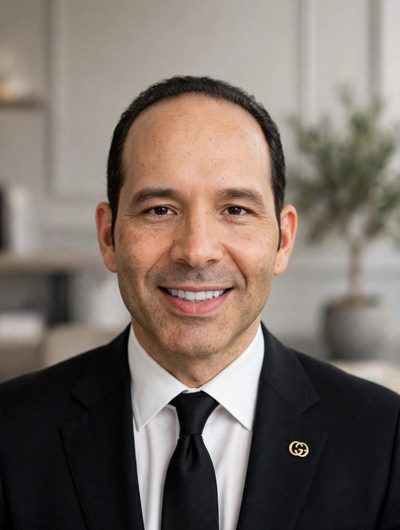 Written by Renan Filho, Technology & AI specialist. Expiry dates and activation fees are always visible.
Quick Answer: The psychology behind index funds vs ETFs comes down to control and patience. ETFs offer real-time trading, triggering FOMO. Index funds force a buy-and-hold mindset. For US traders, the choice affects behavior and returns. Understand your bias before investing.
Key Facts for US Traders (2026)
| Market | Detail | Source |
|---|---|---|
| US indices | S&P 500, NASDAQ, Dow Jones | NYSE / NASDAQ |
| Regulator | CFTC (futures) / SEC (securities) | Official |
| Prop firm model | Funded evaluations with profit split 70-95% | Vendor terms |
| Verification | Updated regularly | PropFirmDiscountApp |
| Best deal today | Code DISCOUNTAPP — up to 90% off | Updated regularly |
Fear of Missing Out Drives ETF Popularity
ETFs trade like stocks. That triggers FOMO. You can buy and sell anytime. Index funds only price once a day. That forces patience. Many traders prefer the action. But that leads to overtrading. Stick to your plan. Use limit orders to avoid emotional spikes.
Index Funds Reduce Emotional Decisions
Index funds automate investing. No daily price checks. Less stress. But you lose control. For long-term goals, it works. For prop traders needing quick moves, ETFs fit better. Know your timeline. A solid firm like FTMO supports ETF trading for their challenges.
Cost Psychology: Hidden Fees Matter
Index funds often have lower expense ratios. ETFs have commissions. But many brokers now offer free ETF trades. The real cost is behavioral. Chasing low fees can blind you to other factors. Compare total costs. Tips: 1. Check expense ratios. 2. Watch bid-ask spreads on ETFs. 3. Avoid frequent trading in index funds. 4. Use tax-loss harvesting with ETFs. 5. Rebalance quarterly.
Prop Trading and Fund Selection
US traders using prop firms need liquid assets. ETFs provide that. Index funds are too slow for challenge rules. FTMO is a solid firm with a smooth process. Use code FTMO10 to get 10% off. Original price $500, now $450. Worth it for the fast funding. Click here: https://ftmo.com/?code=FTMO10
Behavioral Biases in Asset Allocation
Anchoring to past performance hurts. Both funds have pros. ETFs let you trade sectors. Index funds cover broad markets. Don't let recency bias decide. Rebalance with discipline. Apex and Topstep also accept ETFs. But FTMO's offer is a good deal for new traders.
Quick Comparison
| Feature | Index Funds | ETFs | |
|---|---|---|---|
| Minimum Investment | Often $1,000+ | Price of one share (e.g., $50) | |
| Trading Flexibility | Once per day | Real-time intraday | |
| Tax Efficiency | Lower turnover, less tax drag | More taxable events from trades | |
| Expense Ratio | 0.10% - 0.20% | 0.03% - 0.50% | |
| Liquidity | Low intraday | High (only at NAV) | High (on exchange) |
| Psychological Impact | Reduces overtrading | Increases temptation |
Frequently Asked Questions
Which has lower fees overall?
Index funds often have lower expense ratios, but ETFs can be cheaper with free commissions and tax-loss harvesting.
Can I trade ETFs on weekends?
No, ETFs trade only during market hours on exchange days. No after-hours or weekend trading.
Are index funds better for retirement?
Yes, for long-term buy-and-hold due to lower costs and less behavioral noise.
Do ETFs have higher volatility?
Not necessarily; volatility depends on the underlying assets, not the fund type.
Which is more tax-efficient?
Index funds are more tax-efficient due to lower turnover, but ETFs allow tax-loss harvesting.
Conclusion
Pick the fund that matches your psychology. If you want control and speed, choose ETFs. If you need discipline, go index. Start your prop trading with FTMO with code FTMO10. Save $50 on a $500 challenge. Click the link above. It is a good deal. Act now.
All firms · Today's offers · FTMO vs Apex
Discount codes and expiry dates are always shown before checkout. See how we rank firms on our methodology page.
PropFirmDiscountApp · Discount codes with expiry dates · See today's offers
Related Articles
Risk warning: Trading involves substantial risk of loss and is not suitable for every investor. Past performance is not indicative of future results. Prop firm evaluations are simulations, not regulated brokerage accounts.