Disclosure: This page contains affiliate links. We may earn a commission if you sign up through our links — at no extra cost to you. It never affects our reviews or the public Trust Score.
The Psychology Behind How To Screen ETFs | PropFirmDiscountApp
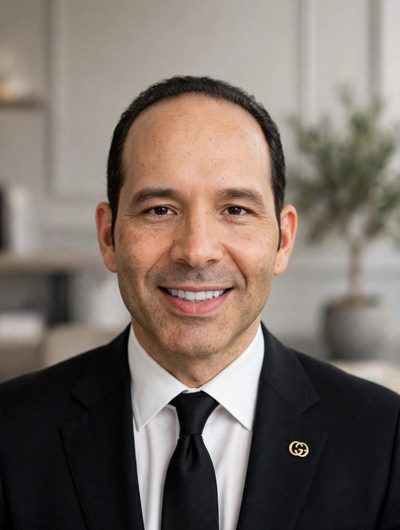 Written by Renan Filho, Technology & AI specialist. Expiry dates and activation fees are always visible.
Quick Answer: The psychology behind how to screen ETFs is about controlling your biases. Most traders chase past returns or popular names. You need a system that ignores noise. Focus on fees, liquidity, and your own risk tolerance. That's the only way to pick ETFs that actually fit your strategy.
Key Facts for US Traders (2026)
| Market | Detail | Source |
|---|---|---|
| US indices | S&P 500, NASDAQ, Dow Jones | NYSE / NASDAQ |
| Regulator | CFTC (futures) / SEC (securities) | Official |
| Prop firm model | Funded evaluations with profit split 70-95% | Vendor terms |
| Verification | Updated regularly | PropFirmDiscountApp |
| Best deal today | Code DISCOUNTAPP — up to 90% off | Updated regularly |
Why your brain picks the wrong ETF
Your brain loves stories. A hot ETF with a catchy name feels safer than a boring index fund. It is not safer. Behavioral finance shows we anchor to recent performance. We overestimate our ability to predict the future. The result? You buy high and sell low. This pattern repeats every time you trust your gut. Stop that. Use data, not feelings. Screen ETFs with cold hard numbers. Ignore the headlines. Focus on metrics like expense ratio, volume, and tracking error. That is the only way to beat your own psychology.
The confirmation bias trap in ETF screening
You look for data that confirms your choice. You ignore warning signs like high expense ratios or low volume. That is confirmation bias. Fight it. List your criteria before you search. Stick to them. No exceptions. For example, if you want low volatility, filter for beta under 0.8. Do not change the rules later. Your brain will try to trick you. Use a checklist. Tick every box before you consider an ETF. This simple process kills confirmation bias.
Herding behavior and popular ETFs
Everyone buys the same ETFs. That creates a false sense of safety. But when sentiment shifts, these ETFs drop hard. Herding is dangerous. Screen for uncorrelated assets. Look for ETFs with low correlation to the S&P 500. That is real diversification. Do not follow the crowd. Use a screener that filters by correlation coefficient. Aim for values below 0.7. This protects you from market manias. To avoid psychological traps, follow these 5 tips: 1. Do not chase 1-year returns. 2. Ignore media hype. 3. Check expense ratios first. 4. Use a screener with multiple filters. 5. Review your own past picks for bias.
Anchoring on fees and past performance
You see a 0.03% expense ratio and think it is cheap. But is it? Anchoring makes you compare to other fees without context. Same with past returns. A 20% gain last year does not predict next year. Focus on tracking error and liquidity. Those matter more. For example, an ETF with low fees but low volume can cost you in bid-ask spreads. Always check average daily volume. Below 500k shares? Skip it. That is a solid rule.
Using objective rules to beat your psychology
Set rules. For example: only ETFs with AUM above $100M, daily volume above 500k shares, expense ratio below 0.20%. Then rank by Sharpe ratio. No emotions. This system works because it removes your gut. Test it with a demo account or a prop firm challenge. Want to test your screening strategy with real capital? Try FTMO. Use code SCREEN20 for 20% off your evaluation. Original price $155 for $10k account, discounted to $124. Click here: https://ftmo.com/en/?ref=SCREEN20. That is a solid deal to validate your skills. Apex and Topstep also offer challenges, but FTMO has the best conditions for ETF traders. Just remember, the psychology does not stop after you get funded.
Quick Comparison
| Psychological Bias | Effect on ETF Screening | Simple Fix |
|---|---|---|
| Anchoring | You fixate on a specific price or fee | Compare multiple similar ETFs before deciding |
| Confirmation bias | You seek data that supports your pick | Write down reasons to reject it first |
| Herding | You buy what everyone else buys | Screen for low correlation ETFs |
| Overconfidence | You think you can predict winners | Use a random selection as a benchmark |
| Recency bias | You overweight recent performance | Look at 3-year rolling returns |
Frequently Asked Questions
What is the most important psychological bias when screening ETFs?
Anchoring to past performance. It makes you ignore current valuations.
How do I avoid confirmation bias?
Write down your criteria before searching. Stick to them strictly.
What is the best free ETF screener for US traders?
Finviz and TradingView offer free screeners with basic filters. For advanced features, you need to pay.
Should I use a prop firm to test my ETF strategy?
Yes, if the firm allows ETF trading. FTMO does. A funded account removes emotional pressure.
Can I screen ETFs using only past returns?
No. Past returns are not predictive. Use Sharpe ratio, volume, and expense ratio instead.
Conclusion
Stop letting your brain sabotage your ETF picks. Use a system, stay disciplined, and test your strategy with real funds. Get started with a funded account using code SCREEN20. Your portfolio will thank you. Click the link above to save $31 on your FTMO challenge.
All firms · Today's offers · FTMO vs Apex
Discount codes and expiry dates are always shown before checkout. See how we rank firms on our methodology page.
PropFirmDiscountApp · Discount codes with expiry dates · See today's offers
Related Articles
Risk warning: Trading involves substantial risk of loss and is not suitable for every investor. Past performance is not indicative of future results. Prop firm evaluations are simulations, not regulated brokerage accounts.