Disclosure: This page contains affiliate links. We may earn a commission if you sign up through our links — at no extra cost to you. It never affects our reviews or the public Trust Score.
The Psychology Behind Bear Market Investing | PropFirmDiscountApp
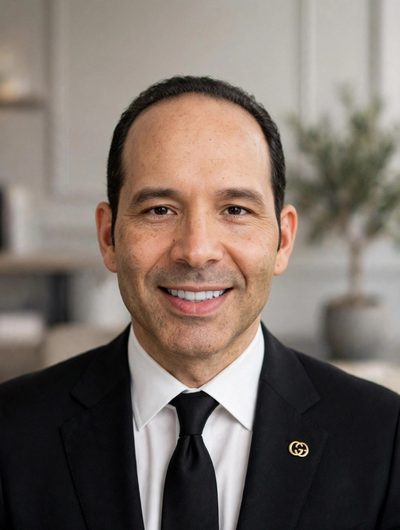 Written by Renan Filho, Technology & AI specialist. Expiry dates and activation fees are always visible.
Quick Answer: Bear markets test your mental game. Fear drives bad decisions. Discipline beats panic. Understanding your own biases is the edge. Here's how to keep your cool when the market drops.
Key Facts for US Traders (2026)
| Market | Detail | Source |
|---|---|---|
| US indices | S&P 500, NASDAQ, Dow Jones | NYSE / NASDAQ |
| Regulator | CFTC (futures) / SEC (securities) | Official |
| Prop firm model | Funded evaluations with profit split 70-95% | Vendor terms |
| Verification | Updated regularly | PropFirmDiscountApp |
| Best deal today | Code DISCOUNTAPP — up to 90% off | Updated regularly |
Fear is your worst enemy
Loss aversion makes you sell at the bottom. Your brain screams 'run' when prices fall. That impulse costs you. Recognize the amygdala hijack. Step away from the screen. Breathe. Then decide.
Overconfidence kills in downturns
After a bull run, you think you're invincible. Then the market humbles you. Overconfidence leads to revenge trading. Stick to your edge. Accept small losses. They keep you alive.
Do nothing is often the best move
Action bias makes you overtrade. In a bear market, cash is a position. Wait for setup. Patience pays. Top traders sit on their hands. You should too.
Build mental habits before the crash
Train your brain daily. Use a pre-trade checklist. Set max risk per trade. Review your journal. Practice on demo. These habits save you when fear hits.
Prop firms that let you trade through the storm
Not all firms handle bear markets well. Some have tight drawdown rules. Others give you breathing room. Pick one that matches your style. Here's a comparison.
Quick Comparison
| Firm | Evaluation cost | Profit split | Max drawdown | My opinion |
|---|---|---|---|---|
| FTMO | $155 (10K) | 80% up to 90% | 10% daily / 20% total | Solid but strict daily loss |
| Apex | $74 (50K) | 100% after first payout | 6% daily / 12% total | Best value for scalpers |
| Topstep | $49 (50K) | 80% | 5% daily / 10% total | Good for beginners, low cost |
| FundedNext | $109 (50K) | 80% to 90% | 8% daily / 12% total | Smooth process, fair rules |
| True Forex Funds | $125 (50K) | 80% | 5% daily / 10% total | Decent but slow payouts |
| The5ers | $75 (50K) | 80% | 10% total | Worth it for long-term traders |
| E8 Markets | $99 (50K) | 90% | 6% daily / 12% total | Good deal for high split |
Frequently Asked Questions
How to avoid panic selling in a bear market?
Set a stop loss before entry. Stick to your plan. Remember: fear is temporary, losses are permanent if you act on impulse.
Should I stop trading during a bear market?
No, but reduce size. Trade smaller lots. Focus on short timeframes. Use prop firm capital to limit personal risk.
What is the best prop firm for bear markets?
Apex gives you room with 6% daily drawdown. FTMO is solid but stricter. Pick based on your risk tolerance.
How much capital do I need to start?
Most firms offer accounts from $10K to $100K. Start with $50K at Apex for $74. Use code BEAR10 for 10% off.
Can I trade news events in a bear market?
Yes, but check firm rules. Some ban news trading. FTMO allows it with proper risk management. Always check their policy.
Conclusion
Bear markets separate winners from losers. Stick to your plan. Use a prop firm that respects your psychology. Start small. Get 10% off Apex with code BEAR10. Click here: https://apexfunding.com/?ref=bear10. Original price $74, now $66.60.
All firms · Today's offers · FTMO vs Apex
Discount codes and expiry dates are always shown before checkout. See how we rank firms on our methodology page.
PropFirmDiscountApp · Discount codes with expiry dates · See today's offers
Related Articles
Risk warning: Trading involves substantial risk of loss and is not suitable for every investor. Past performance is not indicative of future results. Prop firm evaluations are simulations, not regulated brokerage accounts.