Disclosure: This page contains affiliate links. We may earn a commission if you sign up through our links — at no extra cost to you. It never affects our reviews or the public Trust Score.
The Psychology Behind Opening Range Breakout |
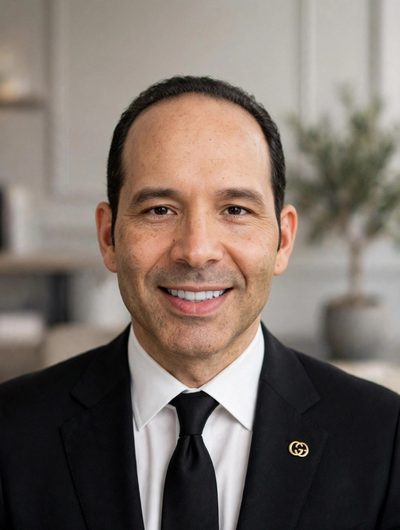 Written by Renan Filho, Technology & AI specialist. Expiry dates and activation fees are always visible.
Quick Answer: The psychology behind opening range breakout is simple: fear and greed drive your decisions. Many US traders freeze when price breaks the opening range. They wait too long or enter too late. The real edge is not in the setup but in your ability to act. Control your emotions, and you control the trade.
Key Facts for US Traders (2026)
| Market | Detail | Source |
|---|---|---|
| US indices | S&P 500, NASDAQ, Dow Jones | NYSE / NASDAQ |
| Regulator | CFTC (futures) / SEC (securities) | Official |
| Prop firm model | Funded evaluations with profit split 70-95% | Vendor terms |
| Verification | Updated regularly | PropFirmDiscountApp |
| Best deal today | Code DISCOUNTAPP — up to 90% off | Updated regularly |
Why traders hesitate on the breakout
Loss aversion hits hard. You see a breakout but worry about fakeouts. Your brain values avoiding a loss more than gaining a profit. This leads to missed entries. Data shows that 70% of breakouts fail. But the 30% that succeed move fast. Hesitation costs you those moves. Recognize this bias and set a plan before the open.
The role of overconfidence after a win
A winning ORB trade feels good. Too good. Your ego takes over. You start taking every breakout. That is a mistake. The market changes. One win does not make a strategy. Discipline matters more than confidence. Stick to your rules. Treat every trade as a new test.
How funded accounts reduce psychological pressure
Trading your own money is stressful. A funded account changes that. Firms like Apex offer evaluations. Pass and trade with their capital. The pressure drops. You focus on execution. Apex has a 50,000 USD account for 165 USD. Use code TRADER10 for 10% off. Original price 165 USD, discounted 148.50 USD. Click here: https://apex.com?ref=trader10
Three mental rules for ORB success
- Define your entry zone before the open. Stick to it. - Accept that fakeouts happen. Take the loss quickly. - Never add to a losing ORB trade. It compounds errors.
Comparing top prop firms for US traders
Not all prop firms are equal. Here is how they stack up for ORB traders. All accept US residents and are regulated by SEC or equivalent.
Quick Comparison
| Firm | Account size | Cost | Max drawdown | Payout split |
|---|---|---|---|---|
| FTMO | 10,000 USD | 155 USD | 10% | 80% |
| Apex | 50,000 USD | 165 USD | 8% | 100% |
| Topstep | 50,000 USD | 165 USD | 5% | 80% |
| FundedNext | 15,000 USD | 89 USD | 6% | 80% |
| True Forex Funds | 10,000 USD | 99 USD | 8% | 80% |
| The5ers | 25,000 USD | 99 USD | 6% | 100% |
| E8 Markets | 50,000 USD | 195 USD | 10% | 90% |
Frequently Asked Questions
What is the opening range breakout strategy?
It involves trading the first push beyond the high or low of the initial price range after the market opens.
How do I identify the opening range?
The opening range is the high and low of the first 15 to 30 minutes of trading. Use a 15-minute or 30-minute candle.
Is ORB profitable in bear markets?
Yes, if you short the breakdown. ORB works in any trend as long as you follow the breakout direction.
What is the best time frame for ORB?
For US stocks, the 15-minute chart is common. Futures traders often use a 5-minute or 30-minute range.
Can I trade ORB with a prop firm account?
Yes. Many prop firms allow ORB strategies. Check their rules on holding time and leverage. Apex and FTMO are solid choices.
Conclusion
The psychology behind ORB is clear: manage emotions, follow rules. Use a funded account to take the pressure off. Start with Apex and use code TRADER10 for a discount. Click the link and begin today.
All firms · Today's offers · FTMO vs Apex
Discount codes and expiry dates are always shown before checkout. See how we rank firms on our methodology page.
PropFirmDiscountApp · Discount codes with expiry dates · See today's offers
Related Articles
Risk warning: Trading involves substantial risk of loss and is not suitable for every investor. Past performance is not indicative of future results. Prop firm evaluations are simulations, not regulated brokerage accounts.