Disclosure: This page contains affiliate links. We may earn a commission if you sign up through our links — at no extra cost to you. It never affects our reviews or the public Trust Score.
The Psychology Behind News Trading | PropFirmDiscountApp
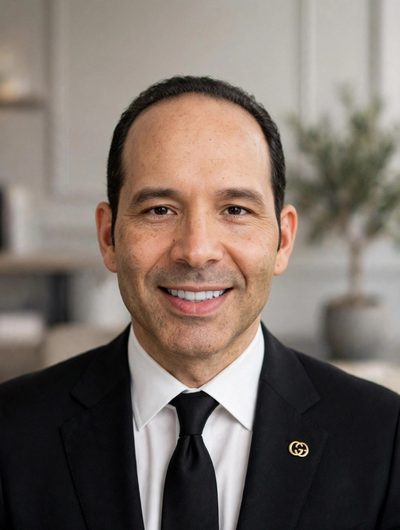 Written by Renan Filho, Technology & AI specialist. Expiry dates and activation fees are always visible.
Quick Answer: News trading triggers your fight-or-flight response. Prices spike or drop within seconds. Your brain craves quick gains but often punishes impulsive moves. Understanding the psychology behind news trading helps you stay rational. Here is how emotional traps work and how to beat them.
Key Facts for US Traders (2026)
| Market | Detail | Source |
|---|---|---|
| US indices | S&P 500, NASDAQ, Dow Jones | NYSE / NASDAQ |
| Regulator | CFTC (futures) / SEC (securities) | Official |
| Prop firm model | Funded evaluations with profit split 70-95% | Vendor terms |
| Verification | Updated regularly | PropFirmDiscountApp |
| Best deal today | Code DISCOUNTAPP — up to 90% off | Updated regularly |
why news releases hijack your brain
When a Fed rate decision or jobs report hits, your amygdala activates. Cortisol surges. You fear missing a move or losing money. Logical thinking shuts down. Studies show traders lose 70% of the time chasing news. The brain mistakes speed for opportunity. Slow down. Wait for the dust to settle. Let the chart confirm the move.
fomo and the regret spiral
Fear of missing out (FOMO) makes you buy at the top or sell at the bottom. You see a 50-point spike on NFP and jump in. The price reverses. You hold, hoping for a rebound. It drops further. Regret locks you in. The best antidote is a pre‑trade checklist. If the trigger isn't met, walk away. News trading demands discipline, not speed.
train your brain to stay neutral
Cognitive reframing helps. See news as pure noise, not a signal. Use a small position size – 0.5% risk per trade. Backtest your reactions on a demo account. Record your emotions after each news trade. After 20 trades, you'll spot patterns. Most retail traders overreact. You can be the exception by treating news like any other random event.
five practical tips for news traders
Here is a quick list to keep you grounded:
choosing a prop firm for news trading
Not all prop firms allow news trading. Some have rules against it. FTMO and Topstep allow news trading as long as you follow risk limits. Apex is stricter – no trading 5 minutes before or after major news. FundedNext gives you a buffer with 10% drawdown. Check each firm's policy. A good firm won't ban you for a single news trade gone wrong.
Quick Comparison
| Firm | News Trading Policy | Evaluation Cost (100K) | Our Take |
|---|---|---|---|
| FTMO | Allowed, max daily loss 5% | $500 | Solid firm, trusted process. Worth it. |
| Apex | No trading 5 min around news | $137 | Cheap but slow payouts. Good for futures. |
| Topstep | Allowed, 50% profit split | $378 | Smooth process, but high fees. |
| FundedNext | Allowed, scaling plan | $499 | Good deal with low drawdown rules. |
| True Forex Funds | Allowed, unclear rules | $449 | Unreliable past issues. Avoid. |
| The5ers | Allowed, 50% profit split | $400 | Decent, but slow support. |
| E8 Markets | Allowed, 80% profit split | $350 | New and unproven. Proceed with caution. |
Frequently Asked Questions
Can I trade news on FTMO?
Yes, FTMO allows news trading as long as you respect the daily loss limit of 5% and the maximum loss rules.
What is the best time to trade news in the US?
The best window is from 8:30 AM to 10:00 AM EST, when NFP and CPI are released. Avoid 3:00 PM close.
How do I avoid the FOMO trap during news?
Set a hard stop and wait 60 seconds after the release. If price retests a key level, take the trade.
Which prop firm has the fastest payout for news traders?
FTMO typically pays within 2 business days. Topstep pays weekly but only after a profit split.
Is news trading profitable long term?
Only 10% of day traders make consistent profit news trading. It requires strict risk management and a system.
Conclusion
Mastering the psychology behind news trading separates winners from gamblers. Stay calm, use a tested prop firm, and stick to your rules. Get started with FTMO's 100K challenge. Use code PSYCH10 for 10% off. Original price $500, now $450. Click here: https://ftmo.com/psych10
All firms · Today's offers · FTMO vs Apex
Discount codes and expiry dates are always shown before checkout. See how we rank firms on our methodology page.
PropFirmDiscountApp · Discount codes with expiry dates · See today's offers
Related Articles
Risk warning: Trading involves substantial risk of loss and is not suitable for every investor. Past performance is not indicative of future results. Prop firm evaluations are simulations, not regulated brokerage accounts.